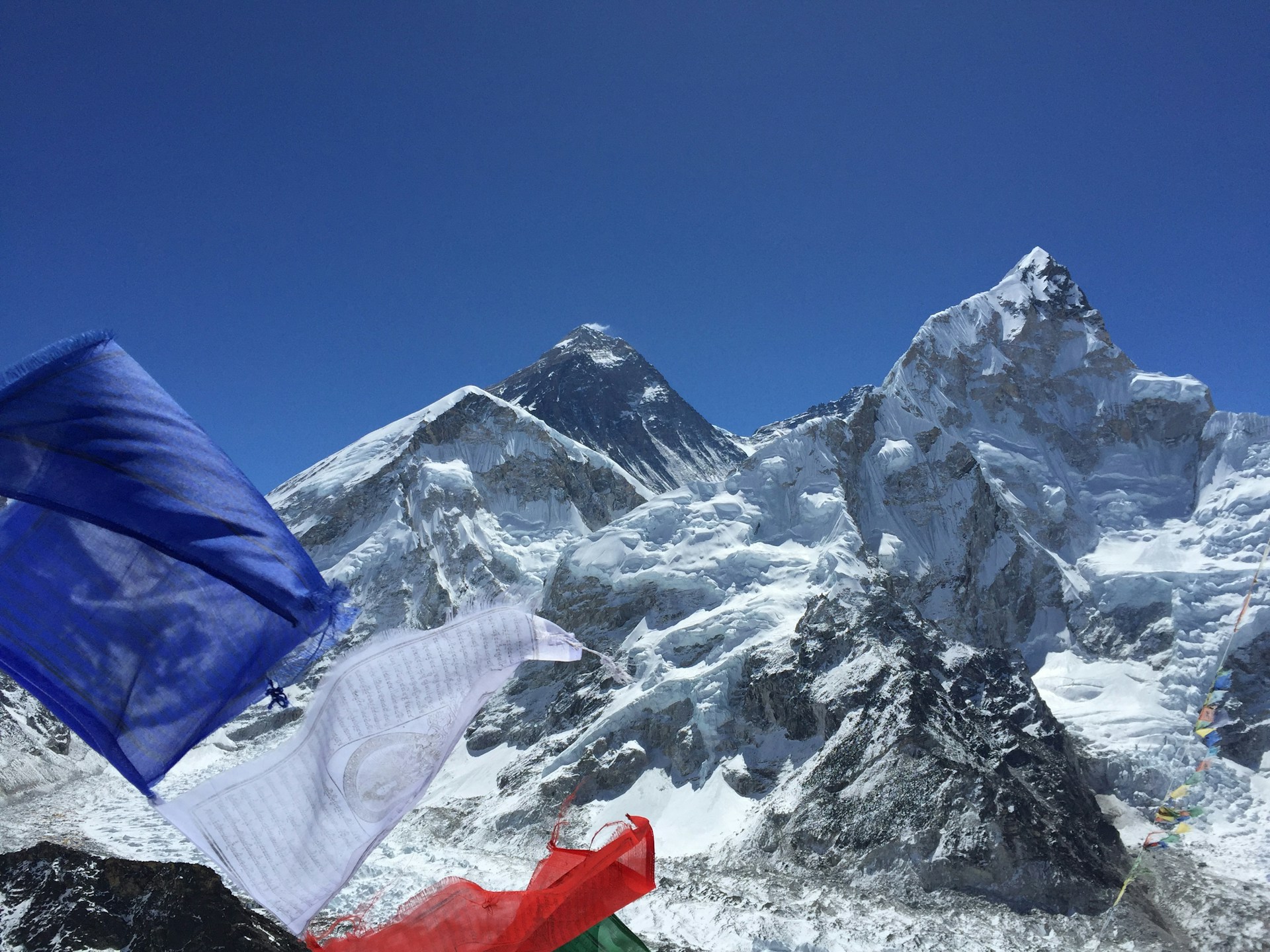
Mount Everest, the highest peak on Earth, rises to a breathtaking 29,032 feet (8,849 meters) above sea level. It’s a natural wonder and one of the most extreme environments on the planet. This begs the question: Can a helicopter fly to the top of Mount Everest?
The answer is yes, but only under very specific and carefully controlled conditions. This article breaks down the history of helicopter flights to Everest’s summit, the scientific and mechanical challenges involved, and what makes high-altitude aviation so uniquely difficult.
Why Flying a Helicopter at High Altitude Is So Difficult
Flying a helicopter at extreme altitudes like Mount Everest poses significant challenges due to the physics of air, engine limitations, and environmental hazards.
1. Thin Air and Low Air Density
As altitude increases, the density of the air decreases. Helicopters generate lift by pushing air down with their rotor blades. When the air is thinner, there is less material to push, meaning less lift can be generated.
2. Reduced Engine Power
Helicopters depend on a continuous supply of oxygen to burn fuel. In thinner air, combustion becomes less efficient. Even powerful turboshaft engines experience significant power loss in these conditions.
3. Harsh Environmental Conditions
The summit of Everest is subject to extremely cold temperatures, high winds, and low oxygen levels. These factors can cause mechanical issues and put additional stress on pilots and equipment.
The Highest Helicopter Flight Ever Recorded
In 2005, Didier Delsalle, a French test pilot, achieved what was once thought impossible: he landed a helicopter on the summit of Mount Everest.
-
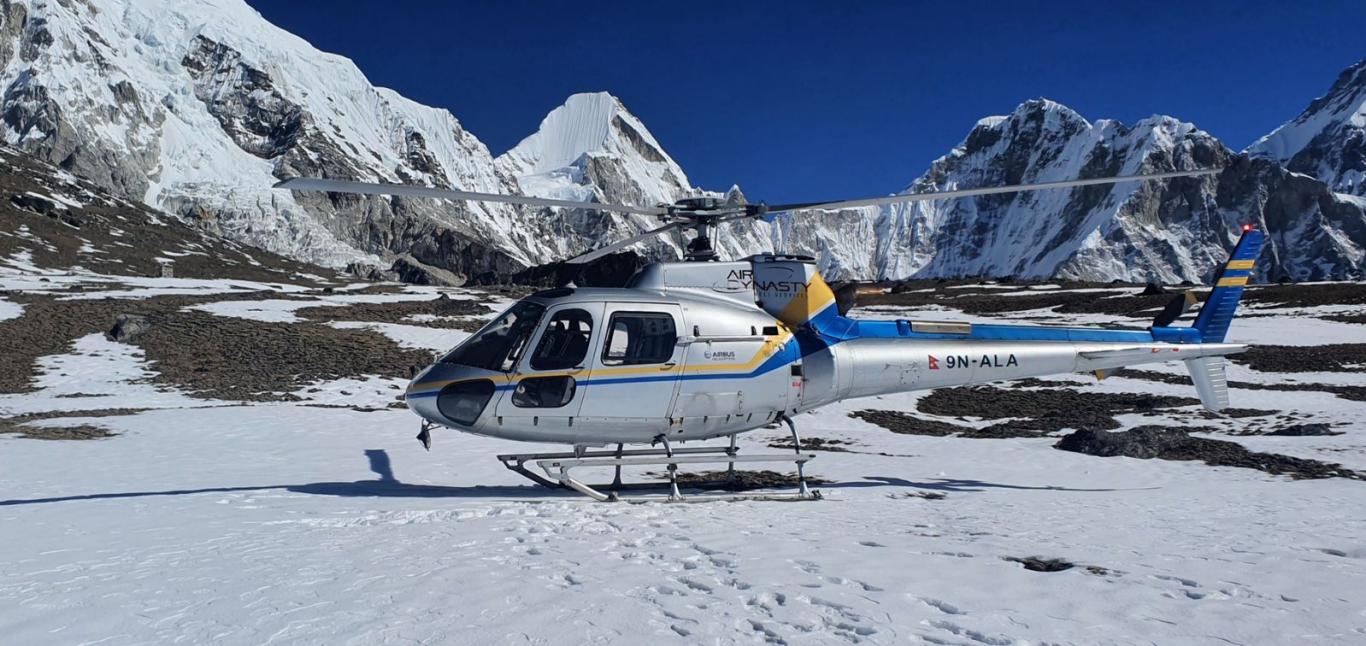
Helicopter Model: Eurocopter AS350 B3 (now Airbus H125)
-
Altitude Reached: 29,032 feet (8,849 meters)
-
Date: May 14, 2005
This feat set the world record for the highest helicopter landing ever made. Delsalle hovered and touched down briefly on the summit, marking a monumental moment in aviation history. He even repeated the landing the next day to prove the success wasn’t a one-off.
What Made the AS350 B3 Capable of Reaching Everest?
The Eurocopter AS350 B3 was not just any helicopter. It was specifically optimized for high-altitude performance:
-
High-performance Arriel 2B engine with Full Authority Digital Engine Control (FADEC)
-
Lightweight design
-
Minimal onboard payload for the record attempt
-
Experienced test pilot with exceptional mountain flying skills
The success of this mission was a combination of engineering, weather conditions, pilot skill, and operational planning.
Why Don’t Rescue Helicopters Land on the Everest Summit?
While Didier Delsalle’s achievement proved it’s technically possible, routine helicopter landings at Everest’s summit are not viable for several reasons:
Safety Risks
Operating at this height increases the risk of rotor stall, engine failure, and navigational issues due to wind turbulence and weather changes.
Payload Limitations
At such high altitudes, helicopters can carry very little weight. Attempting a rescue at the summit would likely require flying with no passengers or gear—making the operation impractical.
Pilot and Equipment Stress
Extreme cold and oxygen deficiency can cause fatigue in pilots and affect mechanical systems. Most rescues are carried out from lower camps like Camp I (19,500 ft) and Camp II (21,000 ft) where conditions are less severe.
Understanding Helicopter Service Ceilings
A helicopter’s service ceiling is the maximum density altitude it can sustain a safe, steady climb. Several factors determine this:
-
Engine power and efficiency
-
Rotor blade design
-
Aircraft weight and fuel load
-
Atmospheric conditions
Even minor changes in weather, like rising temperatures or shifting winds, can make or break a high-altitude mission.
Notable High-Altitude Helicopter Operations
Here are some examples of helicopters performing in extreme mountain environments:
| Mission | Location | Altitude |
|---|---|---|
| Everest Summit Landing | Nepal | 29,032 ft |
| Indian Army Rescues | Siachen Glacier | 22,000 ft |
| High-Altitude Tour Flights | Himalayas | 20,000–23,000 ft |
| Andes Rescues | South America | 18,000–20,000 ft |
Helicopters like the Airbus H125, Bell 407, and Kamov Ka-27 have been used for search and rescue, logistics, and medical evacuations in these challenging environments.
Real-Life Use: Everest Base Camp Helicopter Tours
While landing at the summit isn’t a regular occurrence, you can experience Everest from the air with helicopter tours to Everest Base Camp and nearby viewpoints.
Many reputable companies offer scenic flights and emergency evacuation services across the Khumbu region. For more insights on the best operators, visit:
These companies use high-performance helicopters, experienced pilots, and route-specific safety protocols to provide once-in-a-lifetime aerial views of the Himalayas.
Summary: Can Helicopters Reach the Top of Mount Everest?
-
Yes, helicopters can reach Everest’s summit, but only under perfect conditions.
-
The world record for the highest helicopter landing was set in 2005 by Didier Delsalle.
-
Routine operations at that altitude are unsafe and impractical.
-
Helicopters are widely used for rescue operations and tours at lower altitudes around Everest.